









This guide was written and reviewed by Serge, MSc . As a business owner and researcher, I focus on the logic and evidence behind the advice I share. I provide practical tips and recommend tools and strategies I trust, helping you find what truly works for your progress.

Table of Contents
- Benefits of Self-Care
- Creating a Self-Care Routine
- Self-Care Ideas for Mental Health
- Practicing Self-Care on a Budget
- Best Self-Care Activities for Stress Relief
- Conclusion
- FAQs
Benefits of Self-Care
Understanding Self-Care
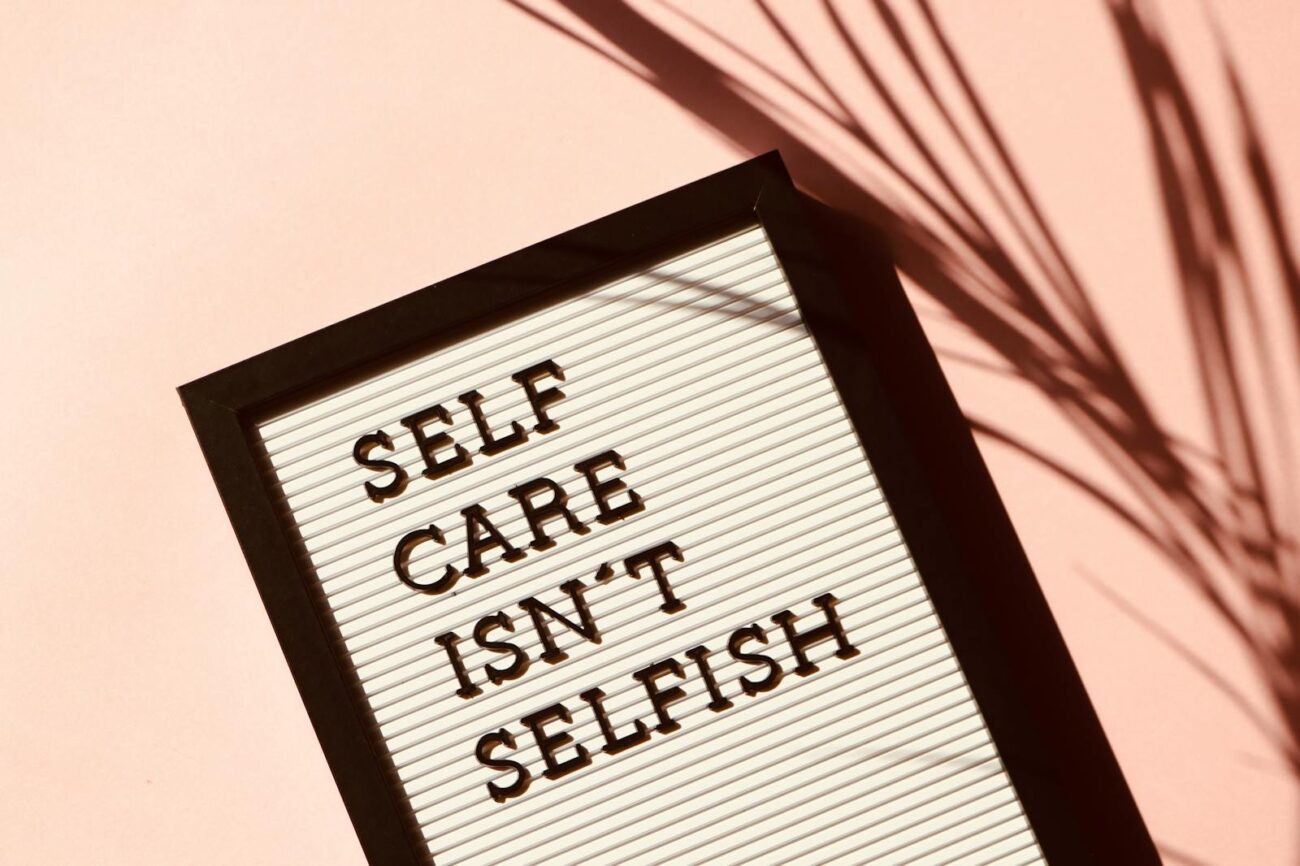
Self-care refers to any activity that you deliberately do to take care of your mental, emotional, and physical health. It is not a selfish act but a necessary one for maintaining a balanced and fulfilling life.
The Importance of Self-Care
- Improved Mental Health
○ Regular self-care practices can reduce symptoms of anxiety and depression.
○ It promotes a sense of calm and relaxation, enhancing overall mental well-being.
- Enhanced Physical Health
○ Engaging in physical self-care activities such as exercise and healthy eating boosts physical health.
○ It can lead to better sleep, increased energy levels, and a stronger immune system.
- Increased Productivity
○ Taking breaks and engaging in self-care activities can improve focus and productivity.
○ It helps prevent burnout and maintains motivation in both personal and professional life.
- Better Relationships
○ When you take care of yourself, you are better equipped to care for others.
○ Self-care can improve communication and emotional intelligence, strengthening relationships.
- Heightened Self-Awareness
○ Self-care encourages reflection and mindfulness, leading to greater self-awareness.
○ It helps individuals understand their needs, desires, and boundaries.
Main Insights
- Benefits of Self-Care: Improved mental and physical health, increased productivity, better relationships, and heightened self-awareness.
Creating a Self-Care Routine
Steps to Develop a Personalized Self-Care Routine
1. Assess Your Needs
- Reflect on Your Needs: Consider what areas of your life need more attention (e.g., physical, mental, emotional).
- Identify Stressors: Identify the sources of stress and areas where you feel overwhelmed.
2. Set Realistic Goals
- Specific Goals: Set specific, achievable goals for your self-care routine (e.g., 15 minutes of meditation daily).
- Balance: Ensure your goals cover different aspects of self-care, including physical, emotional, and mental health.
3. Create a Plan
- Schedule Time: Allocate specific times for self-care activities in your daily or weekly schedule.
- Be Consistent: Consistency is key; make self-care a regular part of your routine.
4. Start Small
- Ease Into It: Begin with small, manageable activities and gradually increase their duration or intensity.
- Adapt to Changes: Be flexible and adapt your routine as your needs and circumstances change.
5. Evaluate and Adjust
- Regular Check-Ins: Periodically evaluate the effectiveness of your self-care routine.
- Make Adjustments: Adjust your routine as needed to ensure it continues to meet your needs.
Sample Self-Care Routine Table
|
Day |
Activity |
Time |
| Monday | Yoga | 7:00 AM |
| Tuesday | Journaling | 8:00 PM |
| Wednesday | Nature Walk | 6:00 PM |
| Thursday | Meditation | 7:30 AM |
| Friday | Read a Book | 8:00 PM |
| Saturday | Creative Hobby (e.g., painting) | 2:00 PM |
| Sunday | Self-Reflection | 9:00 AM |
Main Insights
- Creating a Self-Care Routine: Assess needs, set realistic goals, create a plan, start small, and evaluate regularly.
Self-Care Ideas for Mental Health
Effective Self-Care Practices for Mental Health
1. Practice Mindfulness
- Mindful Meditation: Spend time meditating to increase awareness and reduce stress.
- Breathing Exercises: Practice deep breathing exercises to promote relaxation and mental clarity.
2. Journaling
- Expressive Writing: Write about your thoughts and feelings to process emotions and gain insights.
- Gratitude Journaling: List things you are grateful for to foster positivity and reduce stress.
3. Connect with Others
- Social Support: Reach out to friends and family for support and connection.
- Join Support Groups: Participate in support groups to share experiences and gain perspectives.
4. Engage in Creative Activities
- Art and Craft: Engage in creative activities like drawing, painting, or crafting to relax and express emotions.
- Music and Dance: Listen to music or dance to elevate mood and reduce anxiety.
5. Limit Screen Time
- Digital Detox: Take breaks from screens to reduce mental fatigue and improve focus.
- Social Media Boundaries: Set boundaries for social media use to prevent negative impacts on mental health.
Main Insights
- Self-Care for Mental Health: Practice mindfulness, journaling, connect with others, engage in creative activities, and limit screen time.
Practicing Self-Care on a Budget
Budget-Friendly Self-Care Ideas
1. Enjoy Nature
- Go for a Walk: Take a walk in the park or nature reserve to clear your mind and enjoy the outdoors.
- Picnic: Have a picnic in a local park with homemade snacks and good company.
2. DIY Spa Day
- At-Home Spa: Create a spa experience at home with DIY face masks, bubble baths, and relaxation.
- Essential Oils: Use essential oils for aromatherapy to create a calming atmosphere.
3. Exercise at Home
- Home Workouts: Follow online workout videos for free exercise routines at home.
- Yoga and Stretching: Practice yoga or stretching exercises to enhance physical and mental well-being.
4. Cook Healthy Meals
- Meal Prep: Prepare healthy meals at home to save money and nourish your body.
- Try New Recipes: Experiment with new recipes and cooking techniques for a fun and rewarding experience.
5. Engage in Free Activities
- Library Visits: Borrow books, movies, or music from your local library for free entertainment.
- Community Events: Attend free events or workshops in your community for learning and socializing.
Main Insights
- Self-Care on a Budget: Enjoy nature, DIY spa day, exercise at home, cook healthy meals, and engage in free activities.
Best Self-Care Activities for Stress Relief
Top Activities to Alleviate Stress
1. Meditation and Deep Breathing
- Guided Meditation: Use guided meditation apps or videos to calm the mind and reduce stress.
- Breathing Techniques: Practice deep breathing exercises to relieve tension and promote relaxation.
2. Physical Exercise
- Cardio Workouts: Engage in cardio exercises like running, cycling, or dancing to release endorphins.
- Yoga and Tai Chi: Practice yoga or tai chi for a gentle yet effective way to relieve stress.
3. Progressive Muscle Relaxation
- Tension Release: Practice progressive muscle relaxation to release physical tension and stress.
- Body Scans: Perform body scans to increase awareness and relaxation.
4. Aromatherapy
- Essential Oils: Use essential oils like lavender or chamomile for relaxation and stress relief.
- Diffusers: Utilize diffusers to create a calming environment with soothing scents.
5. Mindful Coloring
- Coloring Books: Engage in mindful coloring with adult coloring books for relaxation and creativity.
- Art Therapy: Use art as a therapeutic tool to express emotions and reduce stress.
Main Insights
- Stress Relief Activities: Meditation, physical exercise, progressive muscle relaxation, aromatherapy, and mindful coloring.
Conclusion
Self-care is an essential practice that supports mental, emotional, and physical well-being. By understanding the benefits of self-care, creating a personalized routine, and exploring budget-friendly and effective self-care activities, you can enhance your overall quality of life.
Remember, self-care is not a luxury but a necessity, and investing time in yourself is one of the best decisions you can make.
Main Insights
- Embrace Self-Care: Prioritize self-care for improved mental and physical health, productivity, relationships, and self-awareness.
FAQs
Q: What are the benefits of self-care?
A: Self-care improves mental and physical health, increases productivity, enhances relationships, and heightens self-awareness.
Q: How do I create a self-care routine?
A: Assess your needs, set realistic goals, create a plan, start small, and evaluate regularly.
Q: What are some self-care ideas for mental health?
A: Practice mindfulness, journaling, connect with others, engage in creative activities, and limit screen time.
Q: How can I practice self-care on a budget?
A: Enjoy nature, DIY spa day, exercise at home, cook healthy meals, and engage in free activities.
Q: What are the best self-care activities for stress relief?
A: Meditation, physical exercise, progressive muscle relaxation, aromatherapy, and mindful coloring.
Additional Insights
- Personal Development and Self-Care: Incorporate self-care into your personal development journey for holistic growth and well-being.
- Balance and Consistency: Strive for a balanced approach to self-care and maintain consistency for long-term benefits.
By implementing these self-care practices and tips into your life, you can nurture yourself and lead a more fulfilling and harmonious existence.
