








This guide was written and reviewed by Serge, MSc . As a business owner and researcher, I focus on the logic and evidence behind the advice I share. I provide practical tips and recommend tools and strategies I trust, helping you find what truly works for your progress.

Quitting alcohol isn’t easy. Maybe you’ve tried before. Maybe you’ve told yourself, “I’ll cut back next week,” only to find yourself pouring another drink when the stress kicks in. You’re not alone in that. I’ve seen it in friends, in families, and maybe in parts of myself too.
If alcohol has started to feel like it’s running the show, stealing your focus, peace, or even your confidence, it’s time to hit pause and ask a simple question: What would life feel like if I had control again?
Seeing the Signs for What They Are
The signs are often quiet at first, a bit more tired in the mornings, a bit less patient with people you care about. Maybe you’ve started hiding how much you drink, or you feel uneasy if there’s no alcohol around.
Those aren’t just habits, they’re warning lights from your body and mind saying, “Hey, something’s off.”
Recognizing that is the first big step. It’s not weakness; it’s awareness. You can’t change what you don’t face, and facing this takes guts.

Why We Really Drink
People don’t drink just because they “like” it. There’s usually something deeper. Maybe it’s stress. Maybe loneliness. Maybe it’s the easiest way to quiet your thoughts at the end of a long day.
The problem is, alcohol trains your brain to look for it as relief, and that relief fades faster each time. So you drink more, and the cycle repeats.
Once you understand that it’s not you that’s broken, but a habit your brain learned to depend on, it becomes a bit easier to see a way out. You’re not powerless, you just need better tools.
Finding Your Real Motivation
Here’s something that helps: write down why you want to stop.
Do it right now.
Maybe it’s your health. Your kids. Your marriage. Maybe you’re just tired of feeling controlled by a bottle. Whatever your reason, it’s yours, and it matters.
When cravings hit (and they will), that “why” is what keeps you grounded. Tape it somewhere you’ll see every day. Motivation fades in your head, but it sticks when it’s written in your own words.

Healing Your Body and Mind
Within just a few weeks of giving your body a break, you’ll notice changes. Your sleep improves, your mind feels clearer, and your energy starts to come back. It’s incredible how fast the body can heal once you stop feeding it toxins.
Start simple:
Get outside every day, even if it’s just for a walk.
Eat real food that fuels you.
Drink water, more than you think you need.
Try herbal teas that calm your system naturally.
Every small step sends a message to your brain: “I’m taking care of myself again.”
The Tough Part, Staying Sober
Quitting isn’t a straight line. Some days you’ll feel unstoppable, and others you’ll want to give up. That’s okay.
What matters is what you do next. If you slip, it doesn’t mean you’ve failed. It means you’re learning what your triggers are, and you’re human.
Try to identify what leads you there: is it boredom? loneliness? social pressure? Once you name it, you can plan for it. Replace that trigger with something that genuinely helps you unwind, a walk, music, journaling, calling someone who listens.
Building a Support System
One of the smartest things you can do is stop trying to do this alone. Tell someone you trust what you’re doing. It could be a close friend, your partner, or even an online group where people share the same goal. You’ll be surprised how much lighter it feels when you stop hiding it.
If therapy is available to you, take it. Talking with someone who understands addiction on a psychological level can make all the difference. Sometimes alcohol isn’t the real issue; it’s just the symptom of something deeper.
Taking Back Control, One Day at a Time
You don’t need to figure out forever. You just need to get through today without drinking. Then you do it again tomorrow.
Each day you stay committed, your confidence grows. You start waking up proud of yourself. That’s a feeling you can’t buy, and it’s worth fighting for.
When You’re Ready to Go Deeper
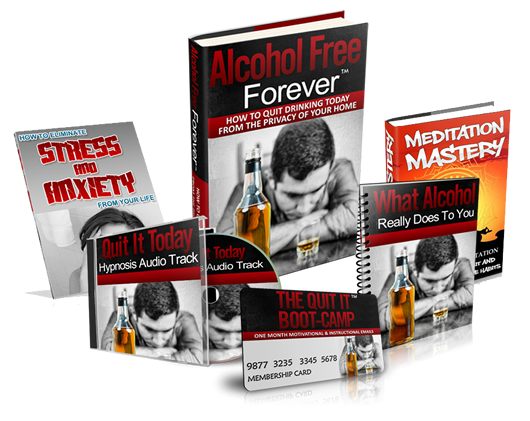
If you want more structured guidance, something that helps you understand not only why you drink but how to stop for good, w’ve put together a resource list that includes programs designed to help you take back control privately and confidently, without the pressure of groups or meetings.
One of these educational systems focuses on:
Understanding what causes dependency.
Breaking cravings using brain-based techniques.
Rebuilding your emotional and mental strength.
Learning how to handle triggers and stay strong long-term.
You can explore it HERE when you’re ready to take that next step.
FAQs
Q: What if I’ve tried to quit before and failed?
That just means you’ve learned what doesn’t work. Each attempt gives you insight. Success isn’t about never slipping, it’s about never giving up.
Q: Will I ever be able to drink socially again?
Maybe, maybe not. For some people, moderation works; for others, total freedom comes from quitting entirely. The key is being honest with yourself about what keeps you safe and happy.
Q: How do I handle social pressure?
Plan your responses ahead of time. Bring your own drink, or say you’re “taking a break.” The people who matter won’t judge you and the ones who do? They’re not your people.
Q: How long before I feel better?
You’ll start to notice small changes in the first few days, better sleep, clearer thoughts, less anxiety. Within weeks, your energy and confidence start coming back.
Summary
Quitting alcohol isn’t just about saying no to a drink, it’s about saying yes to yourself. It’s about regaining your energy, rebuilding your confidence, and finding that sense of calm and clarity you may have forgotten was possible.
You deserve mornings that start fresh, conversations that feel real, and a body and mind that finally feel alive again.
The hardest part is deciding that you’re worth the effort, but once you make that choice, everything else begins to follow.
When you’re ready to take the next step, visit this Resources page. You’ll find practical, science-based tools and guides to help you stay strong and keep moving forward, one honest, hopeful day at a time.
