










This guide was written and reviewed by Serge, MSc . As a business owner and researcher, I focus on the logic and evidence behind the advice I share. I provide practical tips and recommend tools and strategies I trust, helping you find what truly works for your progress.

Tired of AdSense rejections?
I used to be, too, until I discovered a method that works every time.
Since I started applying this exact strategy, every one of my blogs has been approved by Google AdSense on the first try. Not just once, I now manage multiple AdSense-approved sites, all earning income consistently.
If you’re still stuck in the rejection cycle or unsure what Google actually expects, this article lays out the same system I’ve used personally to get approved, every single time.
A- Why AdSense Approval Changes Everything for a Blogger?
AdSense is more than just a way to earn with ads. Once approved, it transforms how your blog functions:
– You start earning passively from your content.
– Brands and partners see you as a serious publisher.
– You can unlock advanced monetization strategies like affiliate marketing and sponsored posts.
AdSense is the doorway to turning your blog into a real income-generating platform. And trust me, it’s not as hard to get in, when you know exactly what to do.
B- What Google Looks For Before Approving Your Blog?
Many bloggers write great posts but still get denied. That’s because Google reviews several key factors beyond just content quality. From my experience and many approvals later, these are the core things they check:
– Essential legal and trust pages like Privacy Policy, About, and Contact.
– A clean, professional layout that makes browsing easy.
– Niche-focused content with real value to readers.
– Proper site structure with clear navigation and categories.
– Original images or properly credited visuals.
– Secure domain (HTTPS) and a professional feel.
Skip any of these, and your chances drop fast, even with strong articles.
C- The Exact Method I Use to Get AdSense Approval Every Time.
1. Choose a Specific Niche.
Focus your blog on one clear topic. Whether it’s plant-based nutrition, solo travel, minimalist living, or something else, niche blogs are easier to approve and monetize.
I avoid broad topics. Instead, I use less competitive keywords that people are actually searching for like:
– “Beginner balcony gardening tips”
– “Homemade natural toothpaste recipes”
– “Low FODMAP meal prep for IBS”
This builds topical relevance and increases organic traffic — something Google values highly.
2. Publish at Least 10 High-Quality Posts.
Each post should be:
– Original and written by you.
– 800+ words long.
– Focused on solving a specific problem.
– Easy to read, with subheadings and internal links.
I use headings like this one to guide readers through my content clearly. It helps with SEO **and** user experience.
3. Add the Three Critical Pages.
Before applying to AdSense, I always create the following:
– Privacy Policy – Explains how data is used. (Tip: use a basic template and edit it for your site.)
– About Page – Share your background and what your blog offers.
– Contact Page – Include a working email or form. This builds trust.
These pages are often overlooked, but from what I’ve seen, they’re one of the first things Google checks. Every time I’ve included them, I’ve been approved.
4. Clean Up the Blog Design.
Keep it simple. I choose lightweight themes with easy navigation. Avoid too many pop-ups or flashy banners. Use categories and tags to organize your posts clearly.
Make sure your blog looks active and easy to navigate, even if it’s brand new.
D- What To Do If You’ve Already Been Rejected?
Rejection doesn’t mean failure. It just means something needs improvement.
Here’s what I advise bloggers to do if they’ve been denied:
– Review the rejection email and look for clues (e.g. low-quality content, site structure),
– Add more detailed posts — aim for depth, not just quantity,
– Replace or remove any duplicate or AI-spun content,
– Make sure every page, post, and image is your own or properly sourced,
– Improve navigation and layout.
Once changes are made, I recommend waiting at least 2–3 weeks before reapplying. In my case, I’ve only needed to reapply once before I started using this method.
E- What Happens After Approval?
AdSense is just the beginning. Once your blog is earning through ads, you can start expanding your income using strategies I personally use, including:
Recommend tools, books, or products your audience needs. Each sale or click earns you a commission.
– Digital Products.
Sell printable planners, e-books, templates, or online courses based on your blog content.
– Sponsored Content.
Work with brands that align with your niche. They pay to reach your readers through reviews or promotions.
Use your traffic to grow a subscriber base, one of the best ways to drive long-term income.
With a structured blog and consistent publishing, your income doesn’t just come from ads, it grows through multiple streams.
F-Frequently Asked Questions
1. How long does AdSense approval usually take?
It really depends, but in most cases, Google gets back to you within a few days to two weeks. If your site looks complete with solid content, clear navigation, and all the right pages, you’ll likely hear back sooner. Just make sure everything’s working before you apply.
2. Can a brand-new blog get approved?
Absolutely. A blog doesn’t need to be old or have tons of traffic to get in. What matters most is that it looks trustworthy and professional. Even if your blog is just a few weeks old, Google can approve it if the content is original, helpful, and well-presented.
3. Why does Google reject so many AdSense applications?
Most of the time, it’s not because Google’s being strict, it’s just that the site isn’t fully ready yet. Maybe the posts are a bit too short, the layout’s messy, or the legal pages (like Privacy Policy or About) are missing.
I’ve even seen people forget to remove stock photos that aren’t properly licensed. Google mainly wants to see a blog that feels real and reliable, something people would actually enjoy visiting.
4. Do I need a lot of traffic before applying?
You don’t need thousands of views a day to get approved. I’ve seen blogs with barely any visitors make it through, simply because the content was solid and the layout looked clean.
If your posts are original, helpful, and easy to read, that’s what really counts. Once you’ve got those basics down, the traffic usually starts to build up on its own anyway.
5. What should I do once I’m approved?
When you finally get that approval email, take a breath before doing anything big. It’s tempting to throw ads everywhere, but it’s better to start slow.
Try adding one or two ad spots, then check how they look and perform. After that, just keep posting regularly and think about adding other income streams, maybe affiliate links or a small digital product later on. It’s all about steady growth, not rushing it.
G-Highly Recommended: The AdSense Approval Guide.
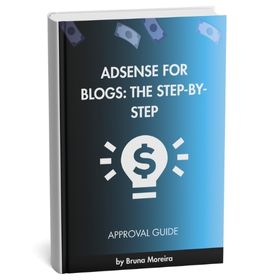
I personally recommend the e-book “AdSense for Blogs: The Step-by-Step Approval Guide” for anyone serious about getting their blog approved quickly and confidently.
This 58-page guide, created by publishing expert Bruna Moreira, lays out clear, proven steps that I’ve followed myself, and they work every time. It includes helpful templates, checklists, and examples to prepare you fully.
If you want to stop guessing and start seeing real results, this e-book is exactly what you need.
Get your copy today and take the guesswork out of AdSense approvalt!
