Written by Serge . I write about focus, discipline, and habits based on what has actually worked for me, not theory. I share practical ideas and the tools and methods I trust, to help you find what really works for your progress.
Affiliate disclosure: This site has affiliate links, including Amazon. As an Amazon Associate I earn from qualifying purchases, at no extra cost to you.
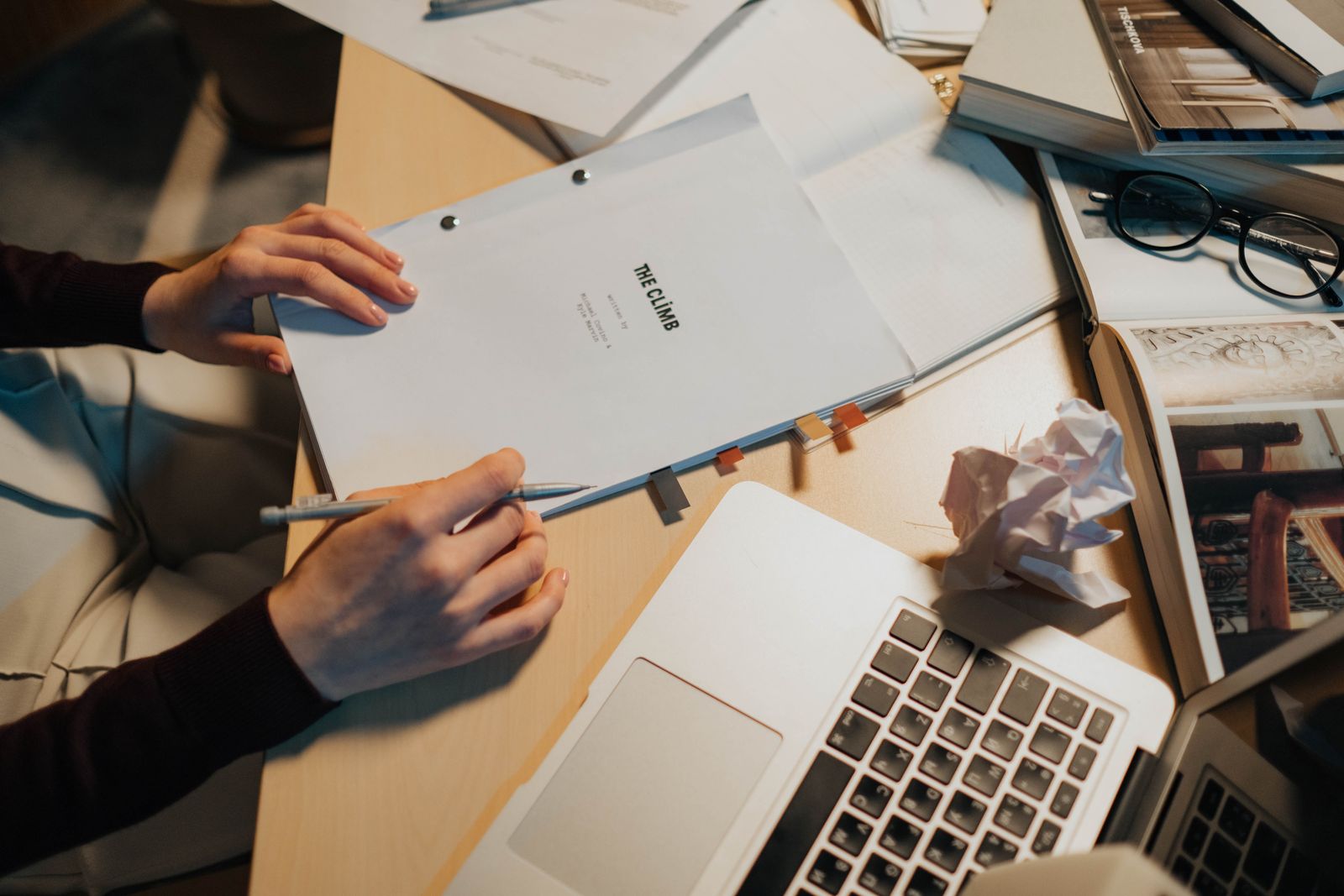
My old desk was a museum of things that had nothing to do with what I was supposed to be doing.
A phone. A coffee cup, always there, usually empty. Candies. Snacks. A toothpick. A nail cutter. A comb. Tools that belonged in a drawer, or in another room entirely, or frankly in the bin. And somewhere underneath all of it, the actual work I had sat down to do.
The screen was no better. Windows open that had no business being open. Social media. Entertainment sites. Music. A whole second desk, just as cluttered, sitting behind my study material.
Why Your Hand Reaches for the Candy
For a long time I blamed myself for being weak…
Then I worked out what was really happening, and it made a lot more sense.
The work in front of me was new. Learning something takes real effort, the kind where your brain has to push. And every single one of those objects on the desk was the opposite. Familiar. Easy. Something I already knew how to do without thinking.
So the moment the work got a bit hard, the moment my brain hit the part that needed actual effort, my hand would go to the chocolate. Or the phone. Or the comb, for no reason at all.
That is the mechanism, and almost nobody names it. You are not reaching for the snack because you want the snack. You are reaching for it because it is the easy known thing sitting right next to the hard unknown thing. Distraction is not weakness. It is an escape hatch from effort, and you built it yourself when you put the hatch within arm’s reach.

The Coffee Loop
The coffee deserves its own mention, because it fooled me for years.
The cup sits there on the desk. Empty, but present. And the sight of it reminds you of comfort. The machine is in the other room, waiting, patient, ready. So you get up and make another one. You did not need it. You had one twenty minutes ago. But the cup reminded you, and the machine made it easy, and the work was hard.
Then it is the fridge. You wander over and open it and stand there looking, not hungry, just standing. Nothing you wanted, nothing you needed, five minutes gone.
That is how the time burns. Not in one big collapse, but in ten small trips to nowhere. And every trip has a perfectly reasonable excuse attached to it, which is what makes it so hard to catch.
Home Makes It Worse
At home, every one of these escape hatches is closer than it would be anywhere else.
The kitchen is twenty steps away. The comfortable chair is in view. Everything you own is within reach, and none of it is asking you to think. That is the real problem with working at home, not the noise, not the interruptions, but the sheer number of easy things standing between you and the hard thing.
Anywhere else, most of those options are gone. At home, they are all still there, quietly available, every single time your brain wants out.
What I Actually Did
The fix was not clever, and it worked.
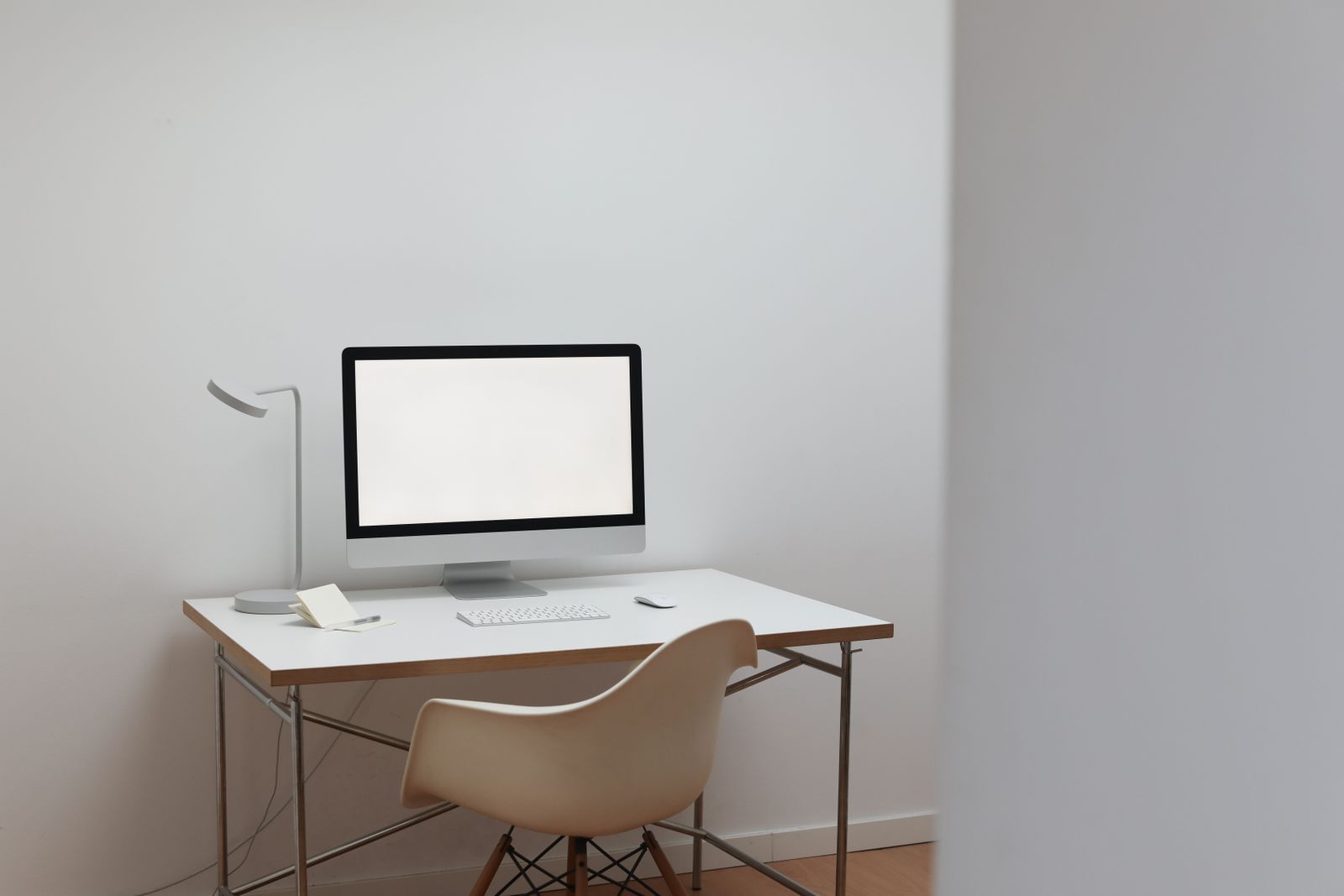
I cleared the desk. Everything that was not needed for the work came off it. The snacks went. The phone went. The comb, the toothpick, the nail cutter, the whole junk drawer that had migrated onto my workspace, all of it gone. Now my desk holds what the work requires and nothing else.
I did the same on the screen. Only the windows the task needs stay open. No feeds, no entertainment tabs sitting there one click away, waiting to be noticed.
Then I stopped starting a session without a plan. Before I sit down, I know what I am doing and roughly how long I have for it. A clear list for the day, not a vague intention to study. Vague intentions are what distraction feeds on.
And I make a promise to myself before I start: I will not check. Not the phone, not the feed, not the fridge. Get the work done first.
When the pull comes anyway, and it does, I do one thing. I remind myself what happens if this does not get done. The deadline that slips, the thing I wanted that gets further away. That thought does more for me than any app or timer. It puts the pull in perspective in about two seconds.
The Point Is Not a Tidy Desk
None of this is about neatness. A tidy desk is not the goal.
The goal is to remove the easy exits, so that when the work gets hard, and it will, there is nothing within arm’s reach to escape into. You cannot rely on willpower to resist the chocolate a hundred times a day. You can just not have the chocolate on the desk.
Make the hard thing the easiest thing in the room. That is the whole trick.
Stop wasting your day, start focusing!
Check out my top book picks for Focus & Concentration, practical guides to help you concentrate when it actually matters!
See the book picks →Common Questions
What should stay on my desk?
Only what the work needs. If it is not part of the task in front of you, it belongs somewhere else. The test is simple: could I do this session without it? Then it goes.
What if I need my phone for the work?
Then use it for that, and nothing else, or better, get what you need from it and put it in another room. The problem is not the phone existing. The problem is the phone sitting next to you, available, every time the work gets hard.
Why does this happen more at home?
Because at home every easy option is close by. The kitchen, the chair, the whole house full of things that do not require thinking. Anywhere else, most of those escape routes are simply not available.
I clear the desk and still get distracted. What now?
Look at your screen next, and then at your plan. Open tabs are the same problem as a cluttered desk. And if you sit down without a clear list of what you are doing, your brain will happily fill the gap with something easier.
Clear the Desk First!
Before your next session, take everything off your desk that has nothing to do with the work. Close every window you do not need. Write down what you are actually doing and how long you have.
Then start, and when the pull comes, remember what it costs you to give in. The distraction was never the real problem. The problem was that you left it sitting within reach of a tired hand.