Written by Serge . I write about focus, discipline, and habits based on what has actually worked for me, not theory. I share practical ideas and the tools and methods I trust, to help you find what really works for your progress.
Affiliate disclosure: This site has affiliate links, including Amazon. As an Amazon Associate I earn from qualifying purchases, at no extra cost to you.

I used to think creativity was something you were born with. Some people just pull brilliant ideas out of nowhere. I was not one of them.
Then one day I got stuck on a project. My brain kept circling the same three ideas. I scribbled notes. I paced the apartment. I stared at the ceiling. Nothing came.
So I tried a different thought. Maybe I had it backwards. Maybe creativity is not a gift you are born with. Maybe it is something you can train, like a muscle.
I started testing small things. Some worked. Some did not. But over time, ideas came more easily. My brain began spotting connections I used to miss. Creativity took time, and it felt messy along the way. That turned out to be normal.
Why Creativity Can Be Learned
Creativity is a skill. And skills can be learned.
Think about learning an instrument. At the start, it is hard. Your fingers fumble. You make mistakes. You get frustrated. But you keep practising, and it gets easier. You notice patterns. You start to improvise. You start to enjoy it.
Creativity works the same way.
A big shift for me was changing how I talked to myself. Instead of “I’m not creative,” I started saying, “I can get better if I practise.” It sounds small. It was not. That one change made me try things I would have ignored before. I made plenty of mistakes. That was fine.
Trying new things helped too. Even small things. Cooking a dish I had never made. Talking to someone outside my usual circle. Walking through a part of town I did not know. These little changes sparked ideas.
One time I walked through a quiet park I had never seen. I just looked at the trees and listened to the birds. Ten minutes later, an idea for a side project popped into my head. Random, but it worked.
Small Daily Habits That Help
You do not need hours of “creative time.” You need tiny, steady habits.
Journaling
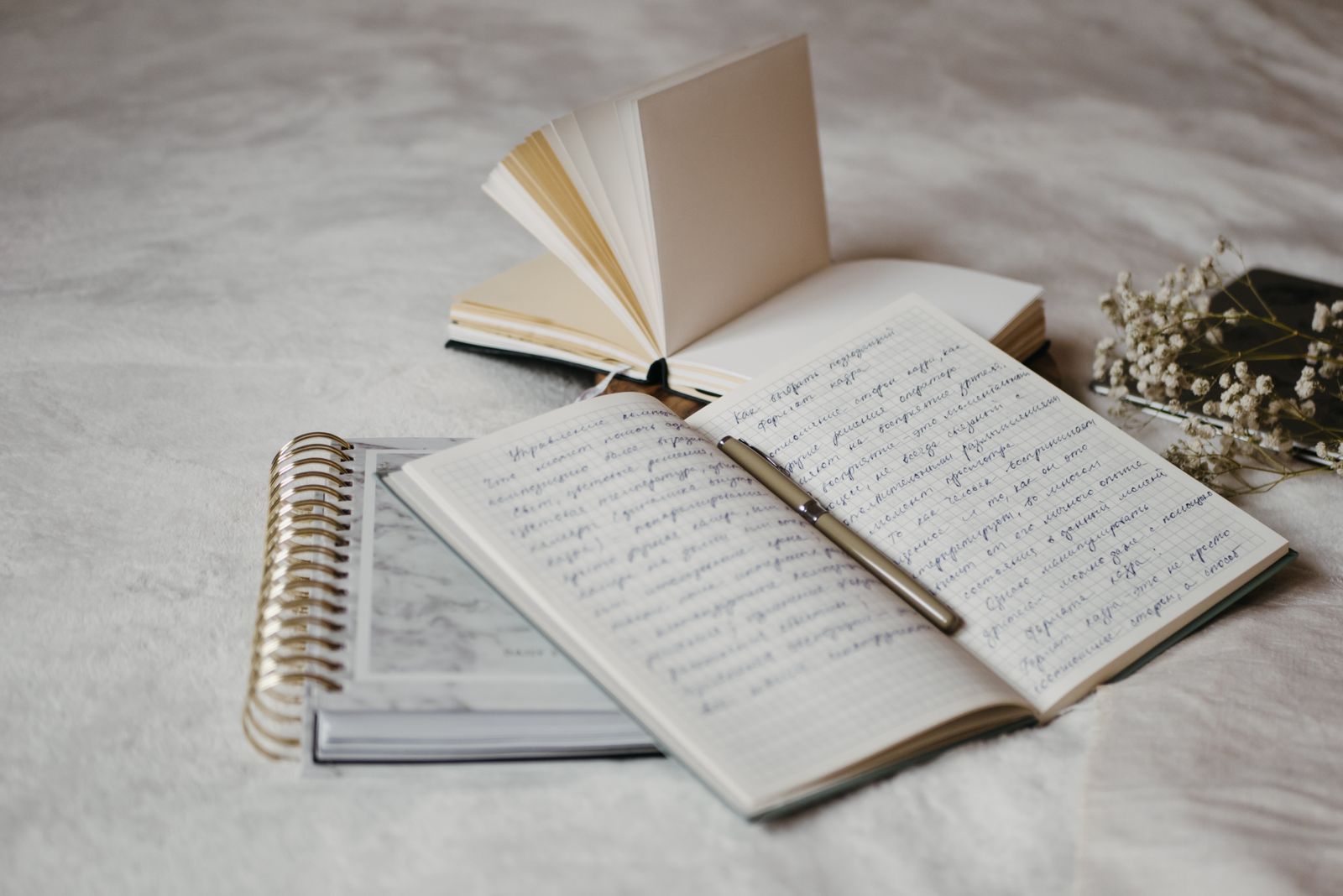
I keep a small notebook. Sometimes I write project ideas. Sometimes I write random thoughts, questions, or odd observations.
At first it felt silly. I once wrote, “What if my coffee cup could text me?” and laughed. But later, some of those strange notes turned into useful ideas. Five minutes a day is enough. The point is to catch ideas before they slip away.
Mind Mapping
When my head feels messy, I grab a blank page and start a mind map. I put the main problem in the middle and branch out with ideas.
Some branches make sense. Some are silly. But often I spot a connection I would have missed in a plain list. I once made a mind map for a side project. Ten minutes of messy scribbles. Two days later, one of those branches became the main idea. If I had skipped that messy step, I would have missed it.
Trying New Hobbies
Routine kills creativity. So I started doing new things. Cooking. Photography. Doodling. Tiny guitar exercises.
I am not trying to be perfect. Most of it fails. That is the point. Failing teaches you new patterns and new ways to think. I once baked bread and half of it collapsed. I hated it. But messing with timing and structure gave me a way to think about timing and structure in other projects too.
Experimenting Without Fear
At first I would start something and stop because it was not perfect. I worried about wasting time.
Then I told myself to just try. Doodle. Write awkward ideas. Test things that might fail. Most ideas do fail. But sometimes a weird, half-finished idea turns into something useful. That is where the good stuff starts, when you stop worrying and start playing.
My Daily Creative Practice
Here is my routine now:
Journaling: ten to fifteen minutes of free writing, no editing.
Mind mapping: pick a problem and branch out ideas.
Mini experiments: try something new, even if it is small or strange.
I spend twenty to thirty minutes at a time on this. Some days I get nothing. Some days I get something useful. Sticking with it is what pays off.

Simple Exercises to Try
Ten Ideas Drill. Pick a problem. Write ten ideas. Do not judge them. Some will be silly. Some might work.
Random Word Links. Pick a random word and link it to your project. I once got a blog idea from “pineapple.” It sounds odd, but it worked.
Reverse Thinking. Ask, “How could I make this worse?” Then flip your answers. Strange, but it helps.
Even five minutes of this can change how your brain works.
A Few More Moments That Helped
I once had a writing prompt: “a lost key.” At first, nothing. Ten minutes of staring. Then I started imagining who lost it, where it went, what happened next. Fifteen minutes later, I had a story outline I liked.
Another time I was stuck on a work problem. I went for a walk and stopped thinking about it. Then a street sign caught my eye and gave me a small idea I used later.
Creativity often comes from small, everyday moments. Not big, dramatic inspiration. Just noticing, playing, and trying things.
Think differently, solve better!
Check out the books I recommend for thinking more creatively and solving problems differently!
Frequently Asked Questions
Does age matter for creativity?
No. You can learn creativity at any age. Adults may even have an edge, more experience and more perspective to draw on.
How do you get past a creative block?
Blocks are normal. Sometimes I walk. Sometimes I switch exercises. Sometimes I do something unrelated for a while. The trick is to keep your brain moving instead of forcing it.
Do you need natural talent?
No. Practice beats talent here. Anyone can improve with small daily habits.
How long does it take to get more creative?
Small gains show up in weeks. Bigger changes take months. The important part is sticking with it.
Can creativity really become a habit?
Yes. The more often you practise small creative actions, the more naturally ideas come. It stops feeling like a special event and starts feeling normal.
Conclusion
Creativity can be learned. With practice, you get better at it.
You do not need perfect ideas or inspiration on demand. You need small habits. Writing. Mind mapping. Trying new things. Experimenting without fear.
Little steps add up. Ideas come easier. Projects feel more fun. Your brain gets more flexible. Creativity is about trying, exploring, and letting ideas grow. Anyone can do it. You just have to start.