Written by Serge . I write about focus, discipline, and habits based on what has actually worked for me, not theory. I share practical ideas and the tools and methods I trust, to help you find what really works for your progress.
Affiliate disclosure: This site has affiliate links, including Amazon. As an Amazon Associate I earn from qualifying purchases, at no extra cost to you.
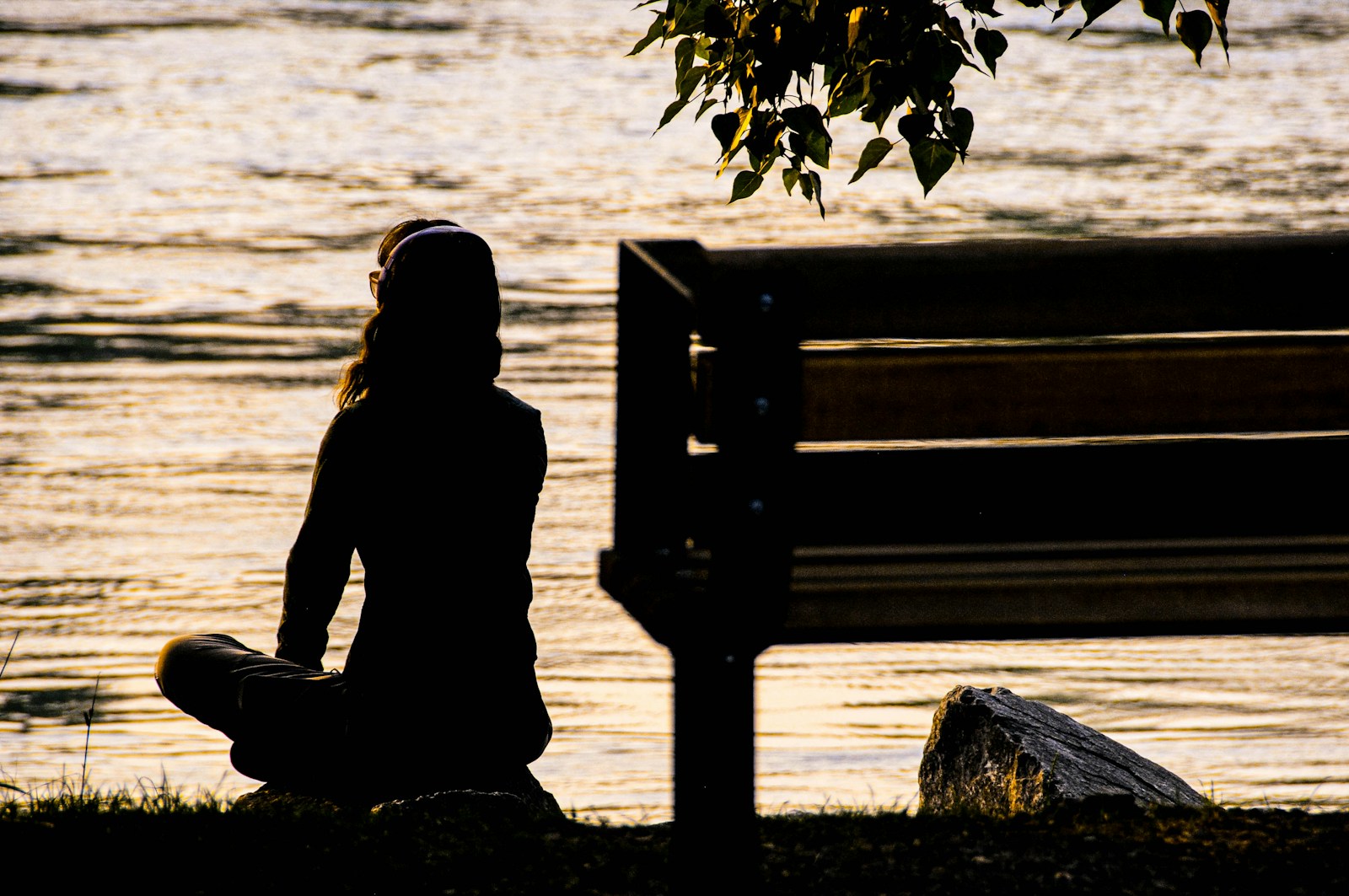
There is a particular kind of quiet that hits you when you turn off your phone for the first time in months. Not peaceful quiet. Uncomfortable quiet. The kind that makes you realise how much noise you had been using to fill the gaps.
I stumbled into solitude by accident a couple of years ago. A long weekend, a cancelled trip, no real plans. I told myself I would be bored out of my mind. Instead, something shifted, slowly, the way light changes in a room as the afternoon moves through it. By Sunday evening, I had finished more work, thought more clearly, and felt more like myself than I had in months.
That was the start of what I now think of as productive isolation. Not hiding from the world, but deliberately stepping back from it to find out what you actually think, want, and need.
What Productive Isolation Means
Let me get one thing straight: this is not about becoming a hermit or cutting people off. Productive isolation is more like a tool than a lifestyle. It is the practice of intentionally creating space, away from the scroll, the noise, the constant pinging, so your mind can do what it does best when left alone.
A lot of us have never really tested what we are like without input. We wake up and reach for a phone. We eat lunch while watching something. We fall asleep with a podcast running. The silence feels like something to fix.
But maybe it is not broken.
The Noise We Don’t Notice
One afternoon I sat down to write and found I could not form a single original thought. Every idea felt borrowed, a half-remembered tweet, a podcast talking point, someone else’s framing. It was not writer’s block exactly. It was more like static.
That is what constant input does. It fills up the space where your own thoughts would naturally form.
The Social Media Layer
Social media is designed to keep you in a state of mild stimulation. Not excited, not bored, just engaged enough to keep scrolling. That middle state is the enemy of deep thinking. You cannot do focused, disciplined work from a place of low-grade restlessness.
When you step away from it, even for a day, the restlessness gets louder before it gets quieter. That discomfort is worth sitting with.
How Solitude Builds Discipline Without Trying To
Here is what surprised me most: I did not become more disciplined by trying harder. I became more disciplined by removing the things that were constantly pulling my attention sideways.
Discipline is not really about willpower. It is about friction. The fewer competing signals you have, the easier it is to do the thing you meant to do.
When you are alone, truly alone, without distraction, the only thing left to do is the thing in front of you. There is no social feed to check “just for a second.” No group chat blowing up. Just you and the task. And over time, working that way rewires something.
My First Real Weekend of Solitude
I want to tell you about a specific Saturday morning, because I think it captures something real.
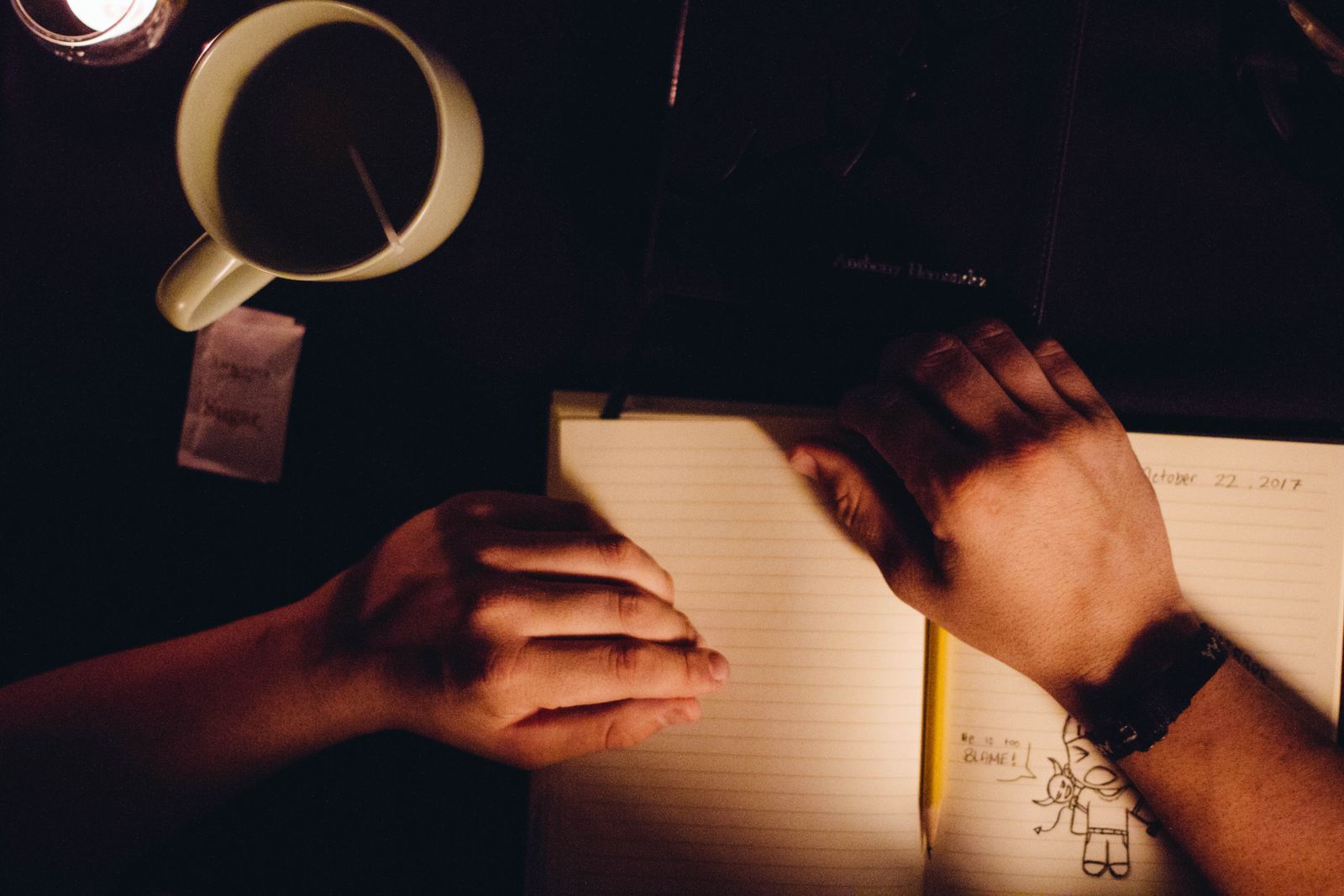
I had decided to spend the weekend alone. No plans, no social media, no Netflix. I made coffee. I sat at the table. And for about forty-five minutes, I was miserable. My hands kept reaching for a phone that was not there. I felt vaguely guilty, like I was supposed to be doing something social or productive or visible to other people.
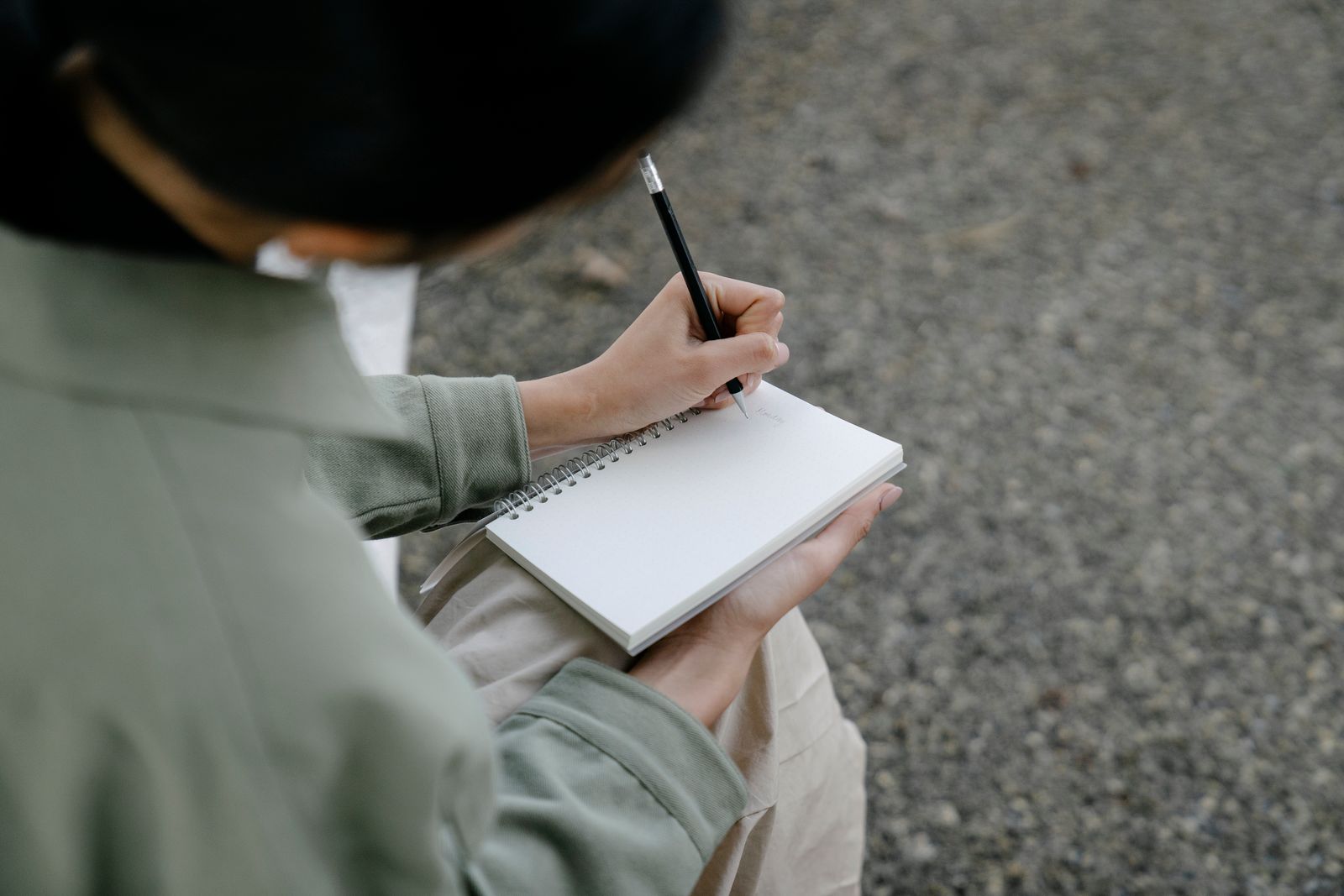
Then, slowly, I started writing in a notebook. Nothing important, just whatever came up. And what came up surprised me. Old ideas I had forgotten. A project I had abandoned because I thought nobody would care. A habit I kept saying I wanted to build but never started.
I had not forgotten those things. I had just been too loud to hear them.
By afternoon, I had mapped out three months of work I actually wanted to do. Not work I felt pressured into. Work that felt like mine.
What Changes When You Pull Back from People
There is a difference between loneliness and solitude. Loneliness is the ache of wanting connection and not having it. Solitude is the choice to be with yourself. One drains you. The other restores you.
When you pull back from social obligations for a while, a few things tend to happen:
You stop performing. No audience means no performance. You start to see what you actually think, not what you think sounds good.
You notice your real rhythms. When do you actually have energy? When do you want to work? When do you need to rest?
Old priorities resurface. The things you have been too busy to think about tend to show up when you get quiet.
Your standards shift. When you are not comparing yourself to what you see online, your own baseline becomes clearer.
None of this is loud. It is quiet and gradual, like a fog lifting.
The Discipline of Deciding What Gets Your Attention
One of the underrated skills that solitude teaches is editorial control over your own mind. When there is less incoming noise, you start making more deliberate choices about what you think about, what you work on, what matters.
That is discipline in its most basic form. Not forcing yourself to do hard things, but learning to choose, consistently, without a crowd telling you what to value.
Building Your Own Rhythm
After a few weeks of regular solitude, even just a couple of hours on weekday mornings, I noticed I had developed what felt like an internal compass. I knew when I was wasting time. I knew when I was doing work I believed in. I could feel the difference between distraction and rest.
That compass does not come from productivity apps or morning routines you read about online. It comes from spending enough time alone that you get to know yourself.
It Doesn’t Have to Be a Retreat
You do not need a cabin in the woods or a week off work. Productive isolation can look like:
An hour in the morning before anyone else in your house is up A long walk without headphones A weekend afternoon with your phone in a drawer A solo dinner with a notebook instead of a screen
The point is not the length. It is the quality of the aloneness. Are you actually present with yourself, or are you just physically alone while mentally somewhere else?
The Resistance Is the Point
Here is something nobody tells you: the first hour of real solitude almost always feels uncomfortable. Your mind looks for an exit, something to check, something to fix, something to plan. That restlessness is not a sign that you are bad at being alone. It is a sign that you have not done it in a while.
Sitting with that discomfort, without reaching for a distraction, is itself an act of discipline. It is a small, quiet way of saying: I can be here without needing to escape.
Do that enough times and it changes how you handle everything else, hard tasks, boring stretches, slow progress. You get better at staying.
Motivation runs out. Discipline doesn’t!
See my top picks on Discipline & Consistency, resources for keeping going and maintaining traction when motivation inevitably runs out!
See the book picks →
Common Questions
How long do I need to spend alone for it to make a difference? Even an hour of real, undistracted solitude can shift something. The length matters less than the quality, meaning you are actually present, not just physically alone while mentally scrolling through worries.
What if I find solitude really uncomfortable or boring? That discomfort is part of the process. It usually means your mind is used to constant stimulation and is adjusting. Many people find that after the first twenty to thirty minutes, the restlessness starts to settle on its own.
Is productive isolation the same as meditation? Not exactly. Meditation is a specific practice with its own techniques. Productive isolation is broader. It is about creating unstructured, distraction-free time to think, reflect, or simply be present with yourself and your work.
Can this help if I feel creatively stuck? A lot of people find that stepping away from input, especially social media and constant news, helps ideas and energy return on their own. There is no guarantee, but it is often one of the first things worth trying when you feel mentally cluttered.
How do I start if I’ve never spent time alone on purpose? Start small. One morning, leave your phone in another room for an hour. Bring a notebook. Do not plan what to do, just see what comes up. It is less structured than it sounds, and that is exactly the point.
Conclusion
A lot of people assume discipline is built through pressure, stricter schedules, harder deadlines, more accountability. Maybe that works for some people, some of the time. But what I have found, and keep coming back to, is that discipline grows more naturally in quiet.
When you step away from the noise long enough, you start to hear what you actually want to do. And when the work feels like yours, truly, personally yours, showing up for it does not feel like discipline. It just feels like following through.
That is the quiet upgrade solitude offers. Not a big transformation. Just a slow, steady return to clarity.
Try an afternoon. See what surfaces.