Written by Serge . I write about focus, discipline, and habits based on what has actually worked for me, not theory. I share practical ideas and the tools and methods I trust, to help you find what really works for your progress.
Affiliate disclosure: This site has affiliate links, including Amazon. As an Amazon Associate I earn from qualifying purchases, at no extra cost to you.

When I finished school and it was time to choose what to study next, I did not pick the thing I was drawn to. I picked with my head full of the wrong questions. Which field sounds impressive? Which one looks elegant, special, respected? Which one would make people nod when I told them? I thought I was being smart about it. I was really just overthinking it.
That is the part about overthinking most people miss. It does not always feel like worry or spinning in circles. Sometimes it feels like careful, intelligent reasoning. You weigh, you compare, you build a case. And the whole time, that clever reasoning is quietly walking you away from the simple answer that was there all along.
When Thinking Harder Leads You Further From the Answer
The trap I fell into was believing that the more I analyzed the choice, the better my choice would be. So I ranked fields by how special they looked. I talked myself into what sounded prestigious. Every reason I came up with was a thinking reason, a reason about image and status, and none of them had anything to do with what I actually enjoyed.

This is what overthinking really does. It fills the space where a simple answer should go with a pile of complicated ones. And complicated answers feel smarter, so you trust them more, even when they are leading you somewhere wrong. I had convinced myself that chasing an impressive-sounding path was the mature, sensible thing to do, when really I was just picking a goal that was never mine to begin with.
I did not notice any of this at the time. From the inside, it felt like being thorough. It was only later that I could see it for what it was: thinking so hard about how the choice looked that I never asked the one question that mattered, which was whether I actually wanted it.
A Whole Year to Learn What a Moment Could Have Told Me
So I chose a field for how it sounded, and I spent about a year in it before the truth caught up with me. I was not drawn to it. Not naturally, not really. The interest I had talked myself into was thin, and once I was actually living it day to day, there was nothing underneath to hold it up.
That year was the cost of overthinking. A real, expensive stretch of time spent on a decision my own reasoning had gotten wrong, because I had trusted the clever answer over the honest one. It would be easy to call that year a mistake, but I have come to see it differently. Sometimes you have to sit in the wrong choice for a while before you can recognize the right one. The contrast is what makes it clear.
How the Real Answer Finally Showed Up
Here is the part that changed how I think about decisions entirely. The real answer did not come from more thinking. It came from noticing.
Away from all the ranking and comparing, I started spending time outdoors, in quiet, natural places. And I noticed something I had never given any weight to: I could stay there for hours and not feel the time pass at all. No effort, no forcing, no talking myself into it. The pull was just there, plain and obvious, the way it had probably always been.
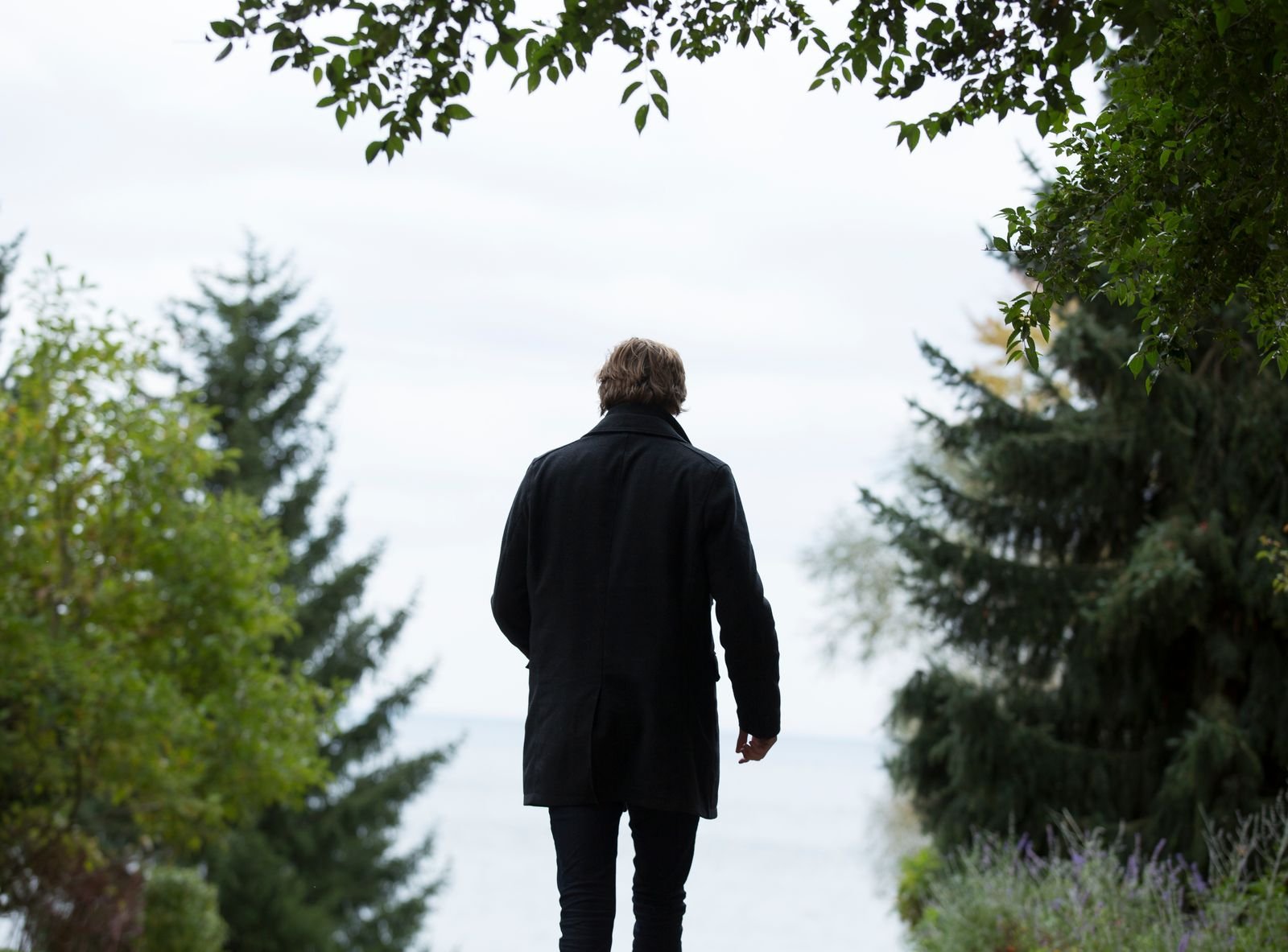
That was the whole answer, and it had been sitting in plain sight the entire time. Not in a list of pros and cons. Not in which option sounded most respectable. Just in the simple, quiet fact of what I could lose myself in without noticing. All my overthinking had done was drown out a signal that was easy to read the moment I stopped analyzing and started paying attention.
So I changed direction. I moved toward the thing I was actually drawn to, the one I could have seen a year earlier if I had trusted what was in front of me instead of the case I had built in my head.
What This Taught Me About Overthinking
The lesson stuck with me far beyond that one choice. Overthinking is not usually solved by thinking more carefully. It is solved by noticing what you already do, what you are already drawn to, what already holds your attention without any effort. The evidence is often right there in your behavior, quietly, while your mind is busy building a more impressive story on top of it.
Now, when I catch myself weighing something endlessly, I take it as a sign to stop and look instead of think. What am I actually drawn to here? What do I do without being pushed? What holds my attention when nothing is making it? Those questions cut through the noise faster than any amount of analysis, and they pull me back toward action instead of leaving me stuck turning the same thoughts over.
It also taught me to be a little suspicious of answers that sound too clever. The impressive reasoning is often the overthinking in disguise. The true answer is usually quieter, simpler, and already visible in what you naturally do.
Common Questions
How do I know if I am overthinking a decision?
A good sign is when your reasons keep getting more complicated instead of clearer. Real clarity tends to feel simple. If you are building an elaborate case, especially one based on how a choice looks to others, you may be thinking your way past an answer that is already obvious in what you are naturally drawn to.
Why does overthinking lead to bad choices?
Because it fills the space where a simple answer should be with complicated ones, and complicated answers feel smarter, so we trust them more. That can walk you straight past the honest, obvious choice toward one that only sounds impressive. Thinking harder is not the same as choosing better.
How do I stop overthinking and just decide?
Shift from thinking to noticing. Instead of weighing endless options, look at what you already do without being pushed, what holds your attention, what you lose track of time in. Your behavior often already holds the answer your mind is busy talking itself out of.
Is all overthinking bad?
Not all thinking is overthinking. The problem is when analysis replaces observation, when you reason so much that you stop noticing the plain evidence in front of you. A little reflection is useful. Thinking so hard that you miss the obvious is the part worth catching.
What It Comes Down To
My biggest overthinking mistake did not look like anxiety or worry. It looked like being smart and thorough. And it cost me a year, because I trusted an impressive-sounding answer over the simple, honest one that was sitting in plain sight the whole time.
The fix was not to think better. It was to stop thinking long enough to notice what I already knew. Most of the time, the answer you are overanalyzing is not hiding. It is right there in what you naturally do, waiting for you to quiet down enough to see it.