Written by Serge . I write about focus, discipline, and habits based on what has actually worked for me, not theory. I share practical ideas and the tools and methods I trust, to help you find what really works for your progress.
Affiliate disclosure: This site has affiliate links, including Amazon. As an Amazon Associate I earn from qualifying purchases, at no extra cost to you.
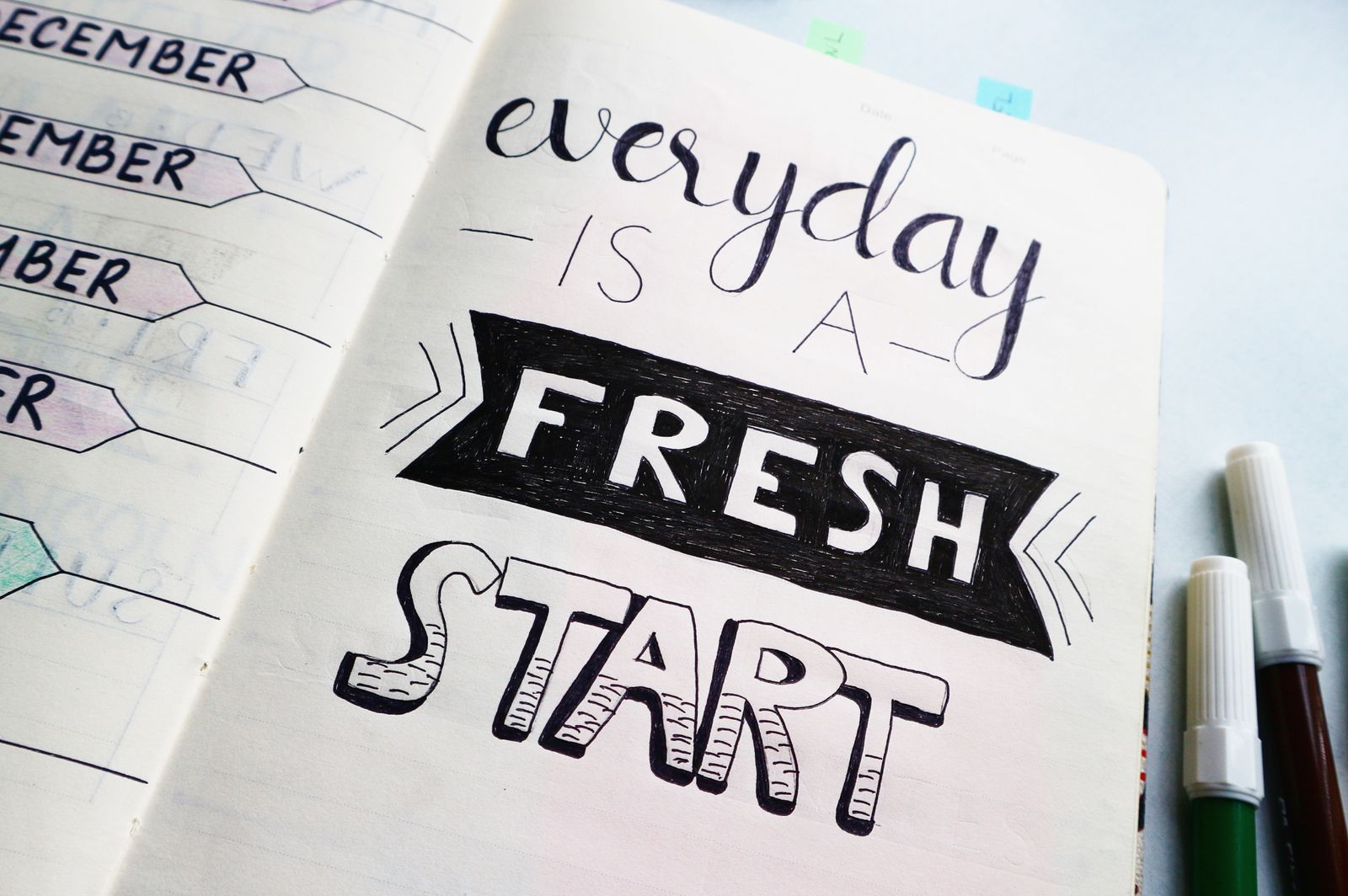
Self-discipline is doing what you planned to do, and what needs to be done, within the time you set, no matter what is going on around you.
That is it. It sounds simple. It is not always easy. But it is far simpler than the version most people carry in their heads, the one where self-discipline means becoming a monk, gritting your teeth, meditating for hours, and forcing yourself through misery. That version is exhausting, and it does not last. I have tried it.
What actually works is quieter. It is about keeping your plan in front of you and doing it naturally, until it stops feeling forced. Here is what I have learned about building it, including the mistake that taught me the most.
It Is Not About Forcing or Suffering
A lot of people think self-discipline is about punishment. Long hours of pain. Saying no to everything you enjoy. Becoming some stricter, joyless version of yourself.
I do not see it that way anymore. When self-discipline feels like constant force, it does not last. You burn out, and you go back to where you started. Real self-discipline feels more natural than that. It is just doing the thing you decided to do, without making a huge battle out of it every time.
The goal is for the right action to feel normal, not heroic. Not “I forced myself through it,” just “I did what I said I would.”
How I Actually Built It
I did not build self-discipline through willpower. I built it by repeating the plan in my head, slowly, over and over, until it became a must.
When I decide what needs to be done, I keep it in my mind through the day. No matter what distraction shows up, the plan stays there. It is not up for debate. It is not “maybe later if I feel like it.” It is a fixed thing I am going to do. Holding it in my head like that, as something settled rather than optional, is what keeps me on it when other things try to pull me away.
It built slowly. Repeating it, holding it, doing it, again and again, until following the plan became the normal thing rather than the hard thing.
Knowing What to Prioritize First
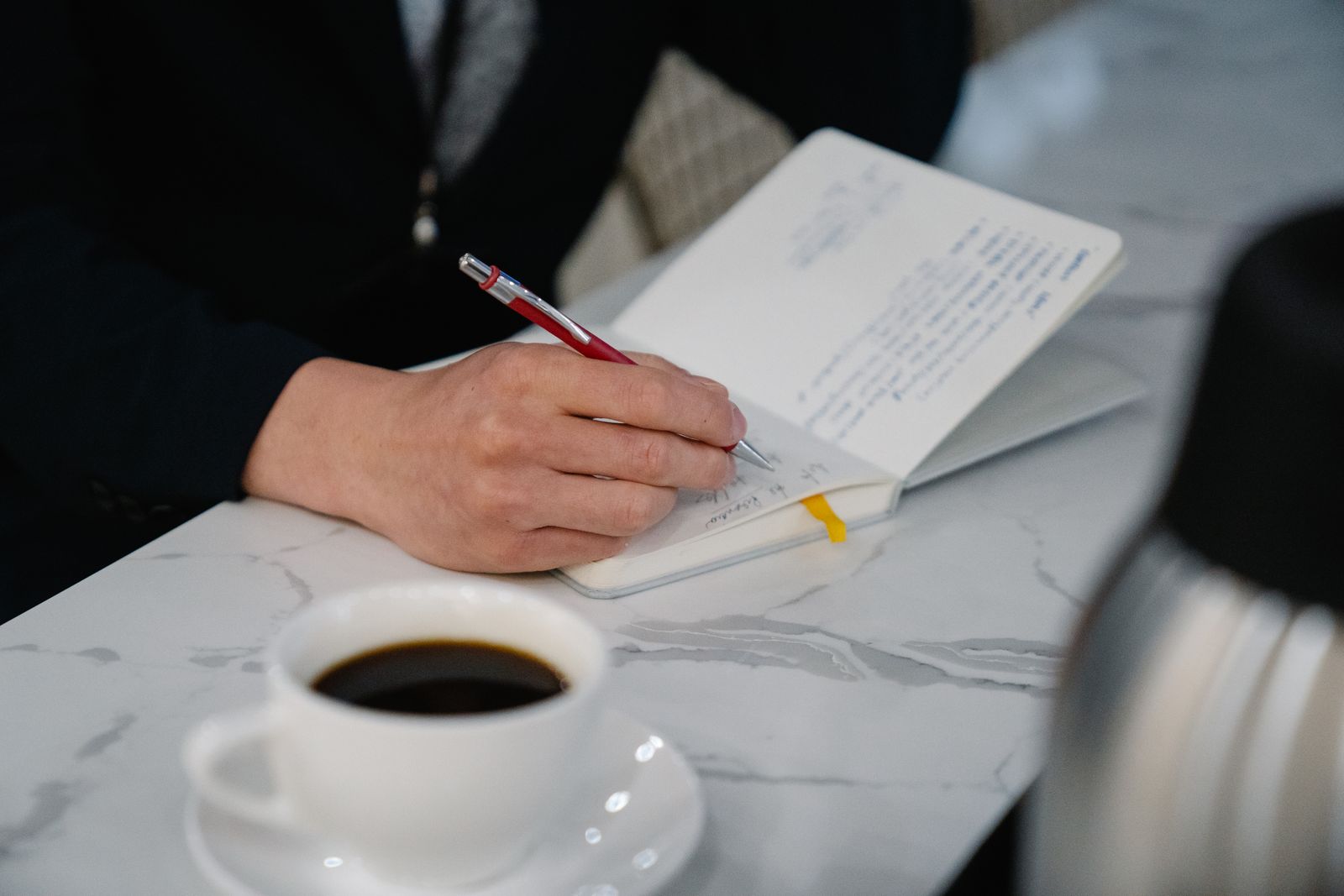
Part of self-discipline is knowing what to do first. If you do not know your priorities, discipline has nothing to point at. You end up busy but not productive, doing easy things while the important ones wait.
So before anything else, I decide what actually matters that day. What has to get done. Then the discipline is just protecting that, doing the important thing first, before the day fills up with smaller things and other people’s requests.
The Mistake That Taught Me the Most
Here is where I learned what self-discipline really means, by losing it.
There was a time when I let other people control my timetable and my goals. Friends would invite me out for drinks on the weekend. I would go, telling myself I would still get my own things done afterward. I really believed it. I would think, I’ll have the night out, then catch up on my work when I get home.
It never worked like that. I would come home late, sleep half the next day, feel rough, and the whole weekend would be gone. Nothing done. The plans I had for myself just quietly disappeared while I recovered.
After this happened enough times, it hit me. I was not in control of my own time. Other people’s plans were setting my schedule, and my own goals kept losing. That was the real failure of discipline, not a lack of willpower, but handing the steering wheel to everyone else.

Protecting Your Own Schedule
That mistake changed how I see self-discipline. A big part of it is keeping control of your own time, instead of letting other people quietly take it.
This does not mean cutting everyone off or never having fun. It means deciding, ahead of time, what your priorities are, and not letting every invitation or distraction override them. Some weekends the work matters more than the night out. Knowing that, and acting on it even when it is tempting to go along with everyone else, is self-discipline in practice.
When you let others set your timetable, you are not really following your own plan anymore. You are following theirs. Taking that control back is where discipline starts.
Why the Natural Approach Wins
The reason the “force yourself, suffer through it” version fails is simple. It runs on willpower, and willpower runs out. The version that lasts runs on something steadier: a clear plan you hold as a must, known priorities, and control over your own time.
When those are in place, doing the work stops feeling like a fight. You are not dragging yourself through pain every day. You are just doing what you already decided to do, the thing you keep in your head, the thing that is not up for negotiation. That is what makes it stick.
Common Questions
Is self-discipline just willpower? No. Willpower runs out fast. Self-discipline is more about keeping a clear plan in mind as a must, knowing your priorities, and protecting your time, so the right action happens without a daily fight.
How do I build self-discipline if I keep failing at it? Start by holding one clear plan in your head and treating it as fixed, not optional. Repeat it to yourself through the day. It builds slowly, through doing it again and again, until following the plan feels normal rather than hard.
Does self-discipline mean cutting out all fun? No. It means deciding your priorities ahead of time and not letting every invitation override them. Some days the work matters more than the night out. Knowing the difference, and acting on it, is the point.
Why do I lose my whole weekend when I plan to be productive? Often because you let other plans take the wheel and tell yourself you will catch up later. Usually you do not. Protecting your own schedule in advance works better than hoping to recover the time after.
How long does it take to become self-disciplined? There is no set time. It builds gradually as you keep your plan, protect your priorities, and follow through, day after day. The more you do it, the more natural it feels.
Final Word
Self-discipline is not about forcing yourself or suffering. It is about doing what you planned, within the time you set, no matter what is happening around you. You build it by keeping the plan in your head as a must, knowing what matters first, and keeping control of your own time instead of handing it to everyone else.
I learned that the hard way, by losing whole weekends I had planned to use, until I realised the problem was not my willpower. It was that I had let other people set my schedule. Take that control back, hold your plan, and discipline stops feeling like a battle. It just becomes what you do. Decide your one priority for tomorrow, keep it in your head, and do it first.
Building self-discipline takes time, but you do not have to figure it all out alone. If you would rather follow a clear plan than piece it together yourself, a structured guide can lay out the steps for building habits and staying consistent.
 Want to read more Books ?
Motivation runs out. Discipline doesn’t!
See my top picks on Discipline & Consistency, resources for keeping going and maintaining traction when motivation inevitably runs out!
See the book picks →